Affiliate marketing is one of my favorite ways to build a reliable online income stream. While it looks simple on the surface, a lot of the hard work happens behind the scenes. Picking the right tools makes a huge difference when managing links, tracking performance, and growing commissions. Over time, I’ve learned that having a good toolkit not only saves time but also helps boost results. Here, I’ll walk you through the top 10 affiliate marketing tools that can make affiliate marketing more efficient and help increase your earnings, especially if you’re working solo or just getting started.
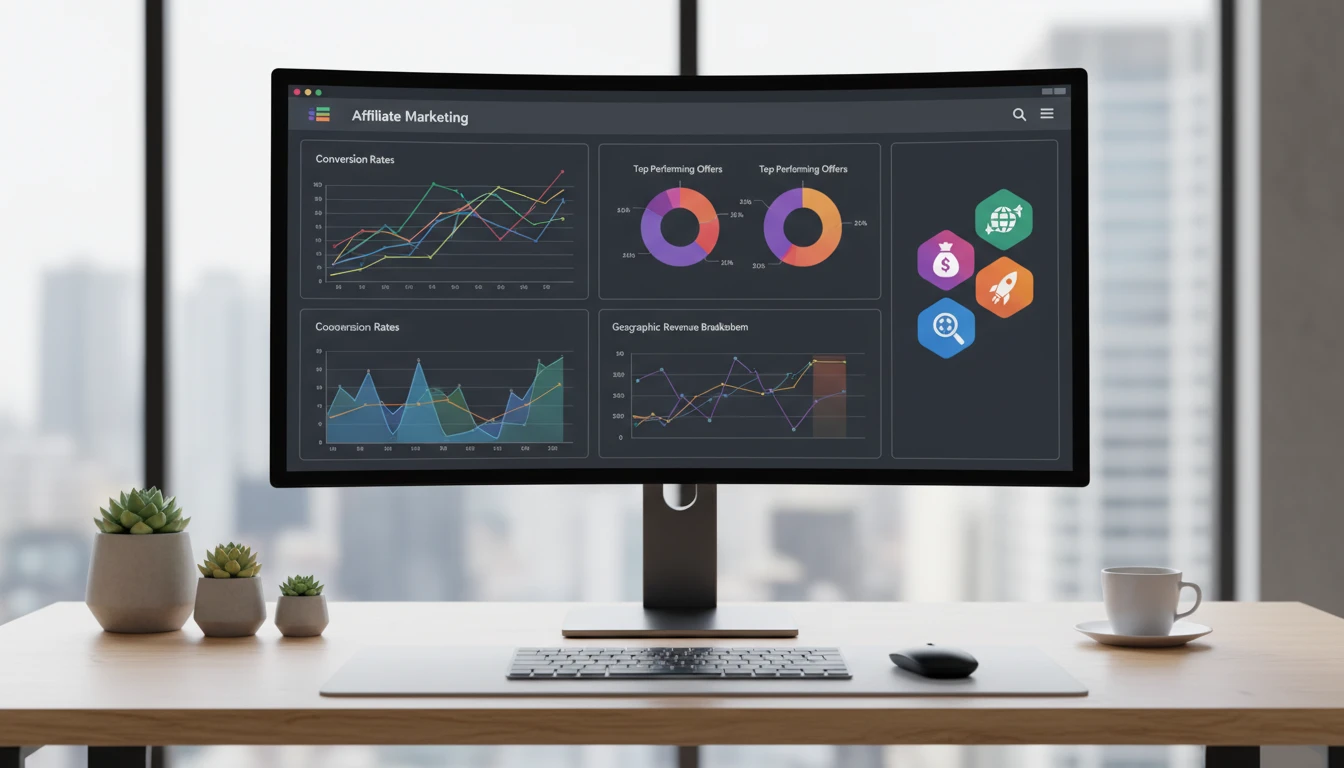
Affiliate Marketing Tools: Why They Matter
Having the right set of tools is super important for any affiliate marketer, whether you’re a beginner or already running a few campaigns. The world of affiliate marketing is filled with different types of programs and networks. Without automation, analytics, and good content management, things get overwhelming quickly. I’ve seen many marketers step up their game simply by picking tools that fit their workflow and skill level. Using the right mix of software helps manage your links, check conversion stats, and keep content fresh. It also makes communication with brand partners a lot easier.
The affiliate marketing industry keeps growing every year, with Statista projecting it will surpass $8 billion in spending in the US alone by 2023. This popularity means more competition, but also more opportunity if you know how to use the right tools. Automation platforms and allinone dashboards have opened new opportunities for anybody willing to research and experiment. As affiliate marketing becomes more mainstream, new tools frequently emerge, offering ways to make managing campaigns easier and more accessible to those without a technical background.
Getting Started with Affiliate Marketing Tools
If you’re new to affiliate marketing, the amount of software out there can be intimidating. To keep things simple, I suggest starting with just a few essential tools that help with core areas like link tracking, keyword research, and content management. Here’s a breakdown of what I look for when picking an affiliate marketing tool:
- Link Management: Makes it easy to organize and monitor your affiliate links, so you never lose track of what’s performing well.
- Analytics Tracking: Reports on important metrics like clicks, conversions, and earnings. This data is really important for seeing which strategies are paying off.
- Keyword Research: Helps you track down what your audience is searching for and guides you to create content that stands out.
- SEO Optimization: Makes sure your content and landing pages climb search results. Small tweaks can bring a noticeable bump in traffic.
- Email Marketing: Keeps your audience engaged and encourages repeat traffic and sales. Integrating affiliate links directly into emails can drive extra commissions.
Don’t forget, starting simple is perfectly fine. As you get more comfortable and your website grows, you can gradually introduce more specialized tools that cover your unique needs. That way, you build a solid foundation and don’t get overloaded or distracted by too many apps at once.
My Top 10 Affiliate Marketing Tools
Here are my top ten picks for affiliate marketing software and platforms that I personally use or highly recommend. These shouldn’t be seen as a “onesizefitsall” list, but as a menu of powerful options you can mix and match as your business grows.
- ThirstyAffiliates. My goto WordPress plugin for managing affiliate links. It helps cloak ugly URLs, organize links by category, and provides basic reporting. I especially like how it lets me swap out affiliate IDs without digging into old posts.
- Pretty Links. Similar to ThirstyAffiliates, Pretty Links is a simple yet powerful tool for creating clean, branded links. It also tracks clicks and lets me manage everything without ever leaving my WordPress dashboard.
- Google Analytics. Essential for tracking website performance and user behaviors. Setting up conversion goals for affiliate links helps pinpoint the content and traffic sources that work best.
- SEMrush. A toptier tool for keyword research, competitor analysis, and onpage SEO checks. I use SEMrush’s site audit features to catch website issues and track down opportunities for new affiliatefocused content.
- Ahrefs. Great for analyzing backlinks and finding highvalue keywords. I use the content explorer and rank tracker to monitor how my review pages and affiliate posts are performing over time.
- AWeber. This email automation tool keeps me in touch with my subscribers. The drag and drop builder and simple autoresponder setup are really handy for sending new offers directly to readers.
- ConvertKit. Another strong email marketing tool, especially if you want to build advanced funnels. Its tagging and segmentation features let me send personalized offers and track link clicks right in the dashboard.
- LinkConnector. An affiliate network that connects publishers and advertisers. I find it useful because it offers a wide range of programs in different niches and has good reporting for tracking earnings.
- Canva. Easy to use graphic design software that helps me create eyecatching banners, infographics, and Pinterest pins. Well designed visuals can really boost conversion rates on affiliate posts.
- Grammarly. Not everyone thinks of a writing tool as “affiliate marketing” software, but clear, errorfree writing makes your content more persuasive. I always use Grammarly to catch grammar mistakes and polish my reviews and tutorials.
Depending on your workflow and audience, these tools can support both small personal websites and large affiliate operations. The key is to track down which ones help your business the most and stick to them.
Before You Choose: Things to Think About When Picking Tools
There’s a lot to consider before signing up for every new tool that promises better results. Here are some important points I’ve learned from experience that can help you avoid wasted time and money:
- Budget: Start out using free trials and basic plans to get a feel for what you actually need. Many top tools have a free or entrylevel version.
- Ease of Use: Tools that come with simple dashboards or lots of tutorials make it easier for beginners to learn quickly and avoid frustration.
- Integration: Make sure your tools work together smoothly. For example, it helps when your email platform can automatically sync with your affiliate dashboard.
- Support & Community: A strong support team and active community forums save time when you run into problems or have questions about features.
- Growth Potential: Look for tools that let you scale up. I always check if a tool can handle more traffic, larger email lists, or extra features as my business grows.
Always read current reviews and check in with affiliate forums for the latest user experiences before making longer term investments. Trying a couple options side by side for a month can also give you a sense of which fits your workflow best.
Example: Picking a Link Management Tool
When I first started out, I only needed basic link tracking. Over time, as older blog posts piled up, I needed a tool that let me search, edit, and organize hundreds of links at once. Upgrading to a more fullfeatured link manager saved hours every week. If you only run a handful of affiliate pages, a free or light tool should be enough. As your site gets bigger, you may want something with better reporting and automation options.
Advanced Strategies with Affiliate Marketing Tools
After you get comfortable with the basics, there are a few cool ways to get even more from your toolbox. Here’s how I use some of these tools for more advanced tactics:
- Split Testing Links: Use tools like Pretty Links and Google Analytics to experiment with different placements and calls to action. Tracking conversions for each variation helps me see what works best.
- Content Upgrades: Integrate Canva with your email platform to offer freebies (like PDF guides) in exchange for email signups, which pushes more traffic and affiliate clicks over time.
- Automated Campaigns: With AWeber or ConvertKit, I set up automated email sequences that introduce new products and include affiliate offers without manual effort.
- Competitor Monitoring: SEMrush and Ahrefs are powerful for keeping tabs on what top competitors are promoting and which keywords they rank for, giving me ideas for my own content plan.
These techniques help scale up results and keep affiliate marketing efforts running with less daily hands-on work. Beyond that, don’t be afraid to experiment with tools that might not seem directly related, like social media schedulers or webinar platforms, which can add a whole new dimension to your marketing and expand your reach to fresh audiences. Tracking performance and adapting over time is what keeps things moving forward.
Frequently Asked Questions about Affiliate Marketing Tools
What tool should I start with as a complete beginner?
I recommend starting with a basic affiliate link manager like ThirstyAffiliates or Pretty Links. These help you stay organized from the beginning and make it easier when your site grows.
Do paid tools really make a difference?
Free tools are usually enough when you start out, and I like to test them before going for any paid plan. As your site builds traffic and commissions, upgrading for better analytics or automation can free up your time and give a boost to results.
How do I know if a tool is working for me?
Track key metrics like clickthrough rate, conversions, and overall income. If you notice consistent improvements after adding a tool, it’s a good sign that your investment is paying off.
The Basics: Why These Tools Work for Affiliate Marketers
Having a set of reliable tools helps keep every part of the affiliate process running smoothly, whether you’re doing reviews, tutorials, or niche content. Think about an affiliate blogger launching a campaign for a new web hosting service. They could use Ahrefs for keyword research, Canva for banner design, Pretty Links for URL management, and ConvertKit to push the promotion through email. Each tool focuses on a different task but works together to make the campaign more effective and easier to manage.
- Content Creation: Canva and Grammarly help produce polished articles and eyecatching graphics, which are both key for getting clicks.
- Promotion and Outreach: Email tools like AWeber and ConvertKit keep your audience coming back, making it much easier to increase affiliate commissions over time.
- Tracking & Growth: Analytics platforms allow you to spot trends faster, adjust strategies, and scale up what’s working.
Combining these tools, I’m able to focus on the creative and strategic side of my affiliate business instead of wasting hours on manual tasks. If you’re looking to step up your results, building a thoughtfully chosen toolkit is the way to go—keep experimenting, stay updated, and keep an eye out for new options to stay ahead in the affiliate game.