When comparing digital marketing and affiliate marketing, I notice many people get them mixed up or wonder which path could work better for their online goals. Both have a lot to offer, but the right one for you really depends on your needs, skills, and business goals. Drawing from my own experience, I’ll walk you through what digital marketing and affiliate marketing are, explain how they work, and help you figure out which might be a better fit based on your interests and situation.
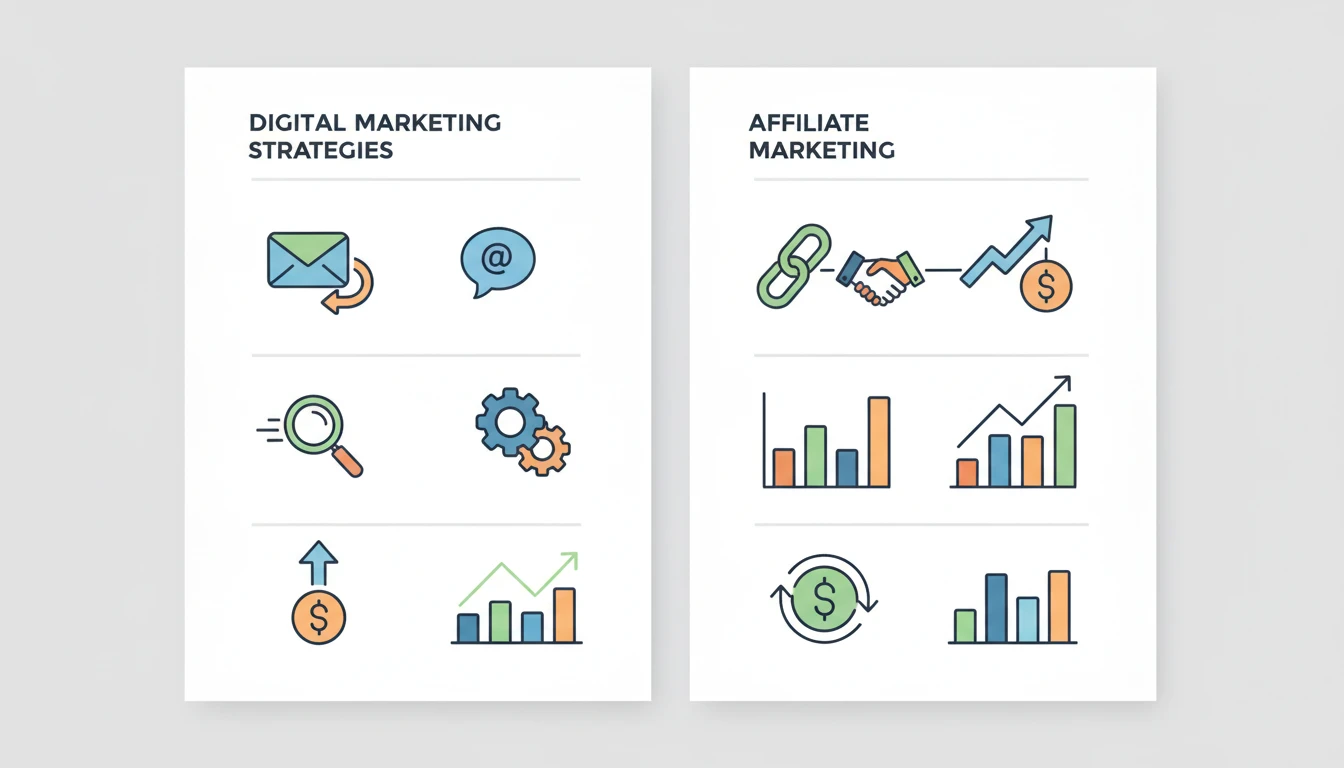
Understanding Digital Marketing and Affiliate Marketing
Digital marketing is a broad term that covers all activities aimed at promoting products or services through digital channels. These might include SEO (search engine optimization), social media marketing, paid advertising (such as Google Ads), email marketing, and content creation. Every time you see an ad on your favorite website or receive a promotional email, that’s digital marketing in action. This world is big and dynamic, and businesses use many strategies together to build strong online presences.
Affiliate marketing focuses on promoting someone else’s products or services and earning a commission for each sale or action driven through your unique referral link. Unlike digital marketing, affiliate marketing is just one way to earn money online, usually as an individual or small group. Affiliates often rely on digital marketing techniques to attract visitors, but their main focus is on converting those visitors into customers for another business.
It’s really important to notice that affiliate marketing is actually a specific type of digital marketing. However, running your own digital marketing projects can look very different from building an affiliate marketing business. Both require effort, strategy, and patience, but the skills you focus on and your ultimate goals may be different.
Key Differences: Digital Marketing vs Affiliate Marketing
A lot of the confusion comes from the overlap between these two approaches. Here are some core differences that stand out based on my experience:
- Ownership and Control: In digital marketing, especially if you’re working for a company or running your own business, you have more direct control over the product, branding, and customer relationships. With affiliate marketing, you’re focused on promoting products for someone else, often with limited involvement over pricing or the customer experience after the sale.
- Revenue Model: Digital marketing usually aims to increase direct sales, brand awareness, or leads for your own business or projects. Affiliate marketing typically brings in commissions based on actions or sales you generate for another company.
- Risk and Investment: Running digital marketing campaigns for your own business often requires bigger upfront investments (think ad spending, marketing tools, product costs, teams). Affiliate marketing lets you start with less risk; many people launch with just a blog, a social media account, or a YouTube channel.
- Scalability: Digital marketing roles in companies can grow to large teams and big budgets. Affiliate marketing can also be scaled, but your earnings largely depend on your ability to drive consistent traffic and find quality offers.
How Digital Marketing Works: Core Areas and Real-World Examples
I’ve managed digital marketing projects where the goal is to make a brand visible, attract leads, or drive sales using a mix of strategies. Here are some main areas you’ll find in digital marketing:
- Search Engine Optimization (SEO): This means optimizing your website so it appears higher in search results. For example, a gardening shop might create a blog about seasonal plant care to show up when people Google “how to grow tomatoes.”
- Content Marketing: Usually includes producing helpful articles, videos, or infographics to bring people in. Think of a company blog, video tutorials, or an ebook.
- Social Media Marketing: Pages on Facebook, Instagram, TikTok, and Twitter help connect with customers. Businesses share news or behind the scenes content, offer customer service, and build communities.
- Email Marketing: This channel is about nurturing leads and keeping customers engaged. For example, an online bookstore sends weekly emails with new releases and discounts to encourage repeat sales.
- Paid Advertising: From Google Ads to sponsored social posts, paid campaigns boost visibility quickly. This strategy works well for time-related offers, such as a holiday sale or event ticket launch.
Digital marketing is really flexible. Businesses can mix channels, track detailed analytics, and adjust strategies to reach more people or test what gets results. Because so much of the work happens online, marketers can quickly see what content or ads attract attention and lead to real results. That means more opportunity to tweak campaigns to match customer needs or address new challenges.
Affiliate Marketing in Action: What It Looks Like Day to Day
In my experience, affiliate marketing often starts with picking a niche that matches your interests or experience. Many successful affiliates build a website or social media page focused on that topic, then include special links to products or services. If someone follows your link and buys, you get paid.
- Content Reviews and Tutorials: A tech blogger writes about the best noisecancelling headphones and includes affiliate links to Amazon. Each sale generated brings a commission.
- Coupon and Deal Sites: Some affiliates create sites that gather exclusive deals or discounts. When users click the links and shop, the affiliate gets a cut.
- Email Recommendations: Affiliates build a list for a specific subject (like healthy eating), sharing links to courses, meal plans, or gear.
- Video and Streaming: YouTubers or streamers suggest gear or services in video descriptions and earn as viewers check out the affiliate offers.
Affiliate marketing doesn’t require stocking products or providing customer service, which can be a big draw. It’s common to start small and build up content over time, testing which offers resonate and learning how to drive more visitors. Affiliates learn to master the art of persuasion by building trust with their audience, as honest recommendations can dramatically affect success rates.
What to Consider Before Choosing: Pros and Cons
Choosing the right approach comes down to your skills, interests, available time, and willingness to learn. I’ve found strengths and limitations in both digital marketing and affiliate marketing; knowing what you want helps a lot.
- Start-Up Costs: Affiliate marketing often requires low initial investment, while digital marketing for your own products might mean higher costs for websites, ads, or inventory.
- Reward and Risk: Managing your own digital marketing projects can mean bigger rewards but also higher risk and responsibility. Affiliate marketing offers less risk, but your income depends on the rules of other companies. Those can change or end suddenly, so it’s smart to have backup plans.
- Creative Control: Digital marketing gives you more room to shape your brand and customer experience. Affiliate marketing is more about creatively presenting other brands, which may suit some personalities better.
- Revenue Stability: Running a digital marketing campaign for a consistent business or product can give you steadier income. Affiliate income may move around depending on trends, seasonality, or changes to partner programs.
Quick Guide: Getting Started with Digital or Affiliate Marketing
If you want to get into it, here’s how I recommend starting:
- Pick Your Focus: Decide if you’d rather build your own brand (digital marketing) or promote existing products (affiliate marketing).
- Learn the Basics: Find free guides, online courses, or YouTube tutorials about your chosen area. Sites like HubSpot, Moz, or Smart Passive Income offer great starting points.
- Start Small and Experiment: You don’t need a perfect website or a huge budget from day one. I started with simple blog posts and social media shares to test what worked for my audience. Choose one channel to master first; you can always expand later.
- Track Results: Use analytics tools. If you’re a beginner, Google Analytics helps show what visitors like and which efforts bring results.
- Stay Honest and Helpful: Especially with affiliate marketing, being transparent and recommending products you trust really pays off in the long run.
Start with realistic expectations and be ready to learn as you go. Both fields are everchanging, but sticking with your efforts leads to real progress over time.
Challenges to Watch Out For
Every strategy has obstacles. These are some I’ve dealt with:
- Market Saturation: Lots of competition makes it hard to stand out, especially in saturated affiliate niches like tech or travel. Unique content and a personal angle can help.
- Algorithm Changes: Search engines and social media platforms change their algorithms often. A drop in traffic can affect earnings, so mixing channels is really important. For example, adding an email list or a second website can help reduce the risk of losing all traffic at once.
- Managing Time and Consistency: It takes ongoing effort to create new content, manage campaigns, and build your audience, no matter which route you choose. Using editorial calendars and planning ahead makes a big difference in staying on track.
- Dependence on Third Parties: Affiliates depend on merchants keeping their programs active. If a company quietly ends its affiliate program, there goes a chunk of income. Maintaining relationships with several programs cuts down on the risk.
- Learning Curve: SEO, content, analytics, and ad management all require practice. There’s plenty of opportunities for learning, but patience is a must in the early days.
Dealing with Competition
With lots of people pursuing both digital and affiliate marketing, finding your own spin or a niche that you know well makes your content more interesting and trustworthy. Spending time researching less crowded topics or new trends has helped me find opportunities where others hadn’t looked yet. Collaborating with other marketers for guest posts, cross-promotions, or interviews also opens doors to new audiences and ideas.
Understanding Payouts and Program Terms
Not every affiliate program pays the same or has the same rules. Some pay for leads, others only for confirmed sales. Reading the terms and tracking your links carefully helps avoid surprises. Also, look for programs with good reporting tools, regular payment schedules, and clear communication—this keeps things running smoothly.
Building Trust
People are careful before buying online. Sharing honest experiences, clear disclaimers, and real-life results can turn casual visitors into returning readers or buyers who trust your advice. Trust is built over time. If you’re genuinely helpful, people return for more advice and are more likely to follow your recommendations or offers.
Advanced Tips for Going Further
Once you’re comfortable, a few tweaks can make a big difference:
Mix Up Your Channels: Try new platforms such as email, YouTube, or TikTok in addition to a blog or website. This broadens your reach and gives you a safety net if one source of traffic drops.
Test and Tweak: Run small experiments with different headlines, landing pages, or types of offers. Tools like Google Optimize or A/B testing built into email services show you what gets clicks or sales. Continually measuring and fine-tuning your campaigns leads to better returns.
Automate When You Can: Use email marketing tools to keep up with subscribers. Scheduling social media and blog posts saves time, so you have more energy for high-value work like creating original content or forging partnerships.
Network in Your Industry: Reach out to others doing similar work. I’ve learned a ton just from online communities and sharing ideas with other digital marketers and affiliates. Industry forums, webinars, and mastermind groups speed up your learning curve and open new doors.
Keep Up With Changes: New trends and tech are popping up all the time in digital spaces. Subscribe to marketing blogs, podcasts, and newsletters so you never fall behind, especially as algorithms and best practices move.
Frequently Asked Questions
I often hear these questions from newcomers, so here are my answers based on experience:
Question: Can I do both digital marketing and affiliate marketing at the same time?
Answer: Yes. Many marketers blend the two, using digital marketing to promote their own products and affiliate offers on the same site or social channels. Just keep your audience’s needs clear and always disclose affiliate relationships.
Question: Which approach pays more?
Answer: There’s no universal answer. Digital marketing for your own products can bring higher earnings if you grow a successful brand. Affiliate marketing has lower risk and fewer costs, but your income depends on volume and the commissions of each program.
Question: How long does it take to see results in digital or affiliate marketing?
Answer: It varies. Some people earn within a few months; others need a year to build traffic or convert enough visitors. Consistency and patience are necessary, as both strategies build over time.
Question: What skills help most in these fields?
Answer: Good writing and communication, basic SEO, using analytics, understanding your audience, and a willingness to test and learn new things all really help. For affiliate marketing, the ability to match products with the right audience is super important.
Which One Is Better for You?
Deciding between digital marketing and affiliate marketing depends on what you want out of your online work. If creating your own products and brand appeals to you, digital marketing is the broader path. If you’re interested in promoting quality offers and earning commissions, affiliate marketing is easier to start with and has less financial risk.
Many people, including me, find value in learning both. Building digital marketing skills opens doors to many online business models. Affiliate marketing is a great entry point that teaches you essential aspects of digital advertising, audience building, and content creation. Whichever you choose, focus on learning step by step, being transparent, and delivering value to your audience. Over time, the results speak for themselves, and you’ll find which strategy works best for your situation.