Affiliate marketing has gone through a major glow-up in recent years, especially as new AI tools have become easy to use and more accessible than ever. If you’re just starting out or even if you’ve been in the affiliate space for a while, picking the best affiliate marketing AI tools to boost your earnings can make your work smoother, help boost your income, and give you more free time. In this article, I’m going to help you understand which AI affiliate marketing tools are worth checking out and how you can use them to streamline your workflow.
Why AI Tools Matter for Affiliate Marketing
Affiliate marketing involves promoting products or services and earning a commission on sales made through referral links. While the basic idea is simple, competition has grown, making it harder to stand out. That’s where AI tools step in. Using these tools, I can automate some daily tasks, create more targeted content, track performance, and even spot trends before everyone else does. AI tools turn complex data into clear action plans, which really helps me save time and focus my energy on what works.
Industry experts note that the affiliate marketing space grew to over $17 billion by 2023 and continues to rise, according to stats from sources like Statista. This means more brands, more programs, and definitely more competition for affiliates. I’ve found that using AI lets me pick up on what’s working faster and sidestep time-consuming strategies that just won’t deliver.
How AI Is Changing Affiliate Marketing: Key Uses
AI makes affiliate marketing more data-driven and less about guessing. Some of the areas where I see the biggest boosts include:
- Content Creation: Writing articles, product reviews, and email sequences faster and with more precise targeting.
- SEO Optimization: Getting keyword suggestions, spotting ranking possibilities, and optimizing content for maximum visibility.
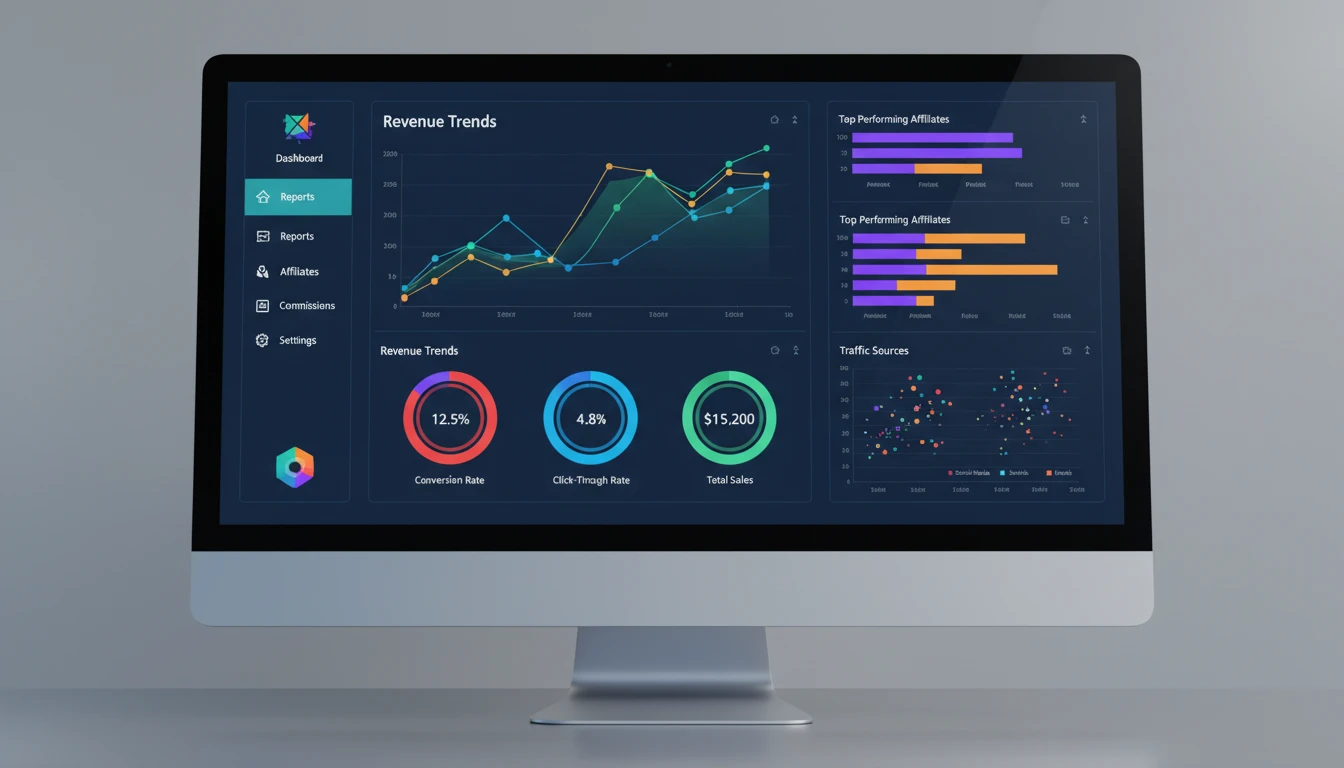
- Analytics and Reporting: Understanding which links, pages, and strategies generate revenue with minimal manual data wrangling.
- Email and Funnel Automation: Creating smarter email drip campaigns based on user actions, segmenting leads more effectively.
- Trend Prediction: Tracking down new affiliate niches, trending products, or hot topics before the crowd.
This switch to smarter, AI-assisted workflows cuts out a lot of the trial and error that used to slow down affiliate marketing. Instead of spending hours sifting through keyword options, I use an AI tool to get the gist in minutes and focus on content creation and promotions.
Best Affiliate Marketing AI Tools for 2024
With so many choices out there, I always look for AI tools that mix ease of use, reliability, and actual value for the price. Here are some of my favorites (and why I stick with them):
- Jasper AI (jasper.ai): I use Jasper to help generate blog content, ad copy, and scripts for videos. Its templates smooth the way for producing landing pages and product reviews thanks to natural-sounding suggestions and adjustable tones.
- SurferSEO (surferseo.com): SurferSEO brings together traditional SEO data and AI-powered content tips. I find it handy for quick content audits, solid keyword integration, and building outlines that help me beat competitors in affiliate niches.
- Anyword (anyword.com): For ad campaigns and email subjects, Anyword uses predictive data to tailor copy based on audience types. I like that it’ll even recommend tweaks grounded in conversion trends.
- AffiliateWP: This WordPress plugin provides AI-driven reporting and helps spot fraudulent activity. As someone managing multiple affiliate programs, this saves time and adds confidence to my payouts.
- Postaga (postaga.com): For linkbuilding and outreach, Postaga’s AI engine finds target sites, crafts custom outreach emails, and tracks responses. I can quickly automate the whole process of gaining backlinks for my affiliate content.
- Scaleo (scaleo.io): Scaleo’s AI-powered affiliate tracking platform includes fraud prevention, real-time analytics, and super detailed campaign reports. If you’re working with several partners, these insights help make scaling much less stressful.
- RightBlogger (rightblogger.com): AI-backed blog idea generators, content optimizers, and bulk keyword analyzers all packed in one dashboard. This tool is my go-to for brainstorming and creating outlines for new affiliate campaigns.
- Copy.ai: Ideal for batch-creating short social posts, product blurbs, and ad copy, Copy.ai’s models shift gears to fit the format I need, saving lots of time for routine promos.
Each of these tools has unique strengths, so I usually combine them depending on the project and the affiliate programs I’m zeroed in on.
How to Get Started with AI in Affiliate Marketing
If AI tools for affiliate marketing are new to you, starting simple ensures you avoid overwhelm. Here’s how I break things down:
- Pick one or two tools at a time. Trying out every tool at once is tough to handle, so I select one for content, one for analytics to start.
- Set up basic workflows. For instance, I’ll use Jasper AI for a product review first draft and SurferSEO to polish it for better rankings. This gives me a routine I can stick with while learning.
- Try the free trials or demos. Many platforms give you a taste before you pay, letting me find what fits my style and workflow best.
- Watch your results over time. I always note how long content takes to produce and how much impact the tool makes to see if it’s actually helping.
- Connect with support forums and user groups. Participating in active communities (think SurferSEO or Jasper groups) helps share experiences and solves issues fast.
Getting the hang of these tools does require some effort up front, but when you see that first measurable boost in efficiency or income, everything clicks.
Common Challenges and Solutions When Using AI Tools
Adding AI to your affiliate approach really helps, but there are hurdles. Here’s what I’ve come up against and my tips on making things smoother:
- Cost and Subscription Overload: Paying for too many subscriptions can sneak up on you. Stick to tools you actually put to work, and review what you use every month.
- Quality Concerns with AI-Generated Content: Sometimes AI-generated writing loses that personal feel. I always run a quick edit and sprinkle my own style into the content before publishing.
- Learning Curves: AI dashboards can look confusing. Spending a solid block of time with tutorials gets me going faster.
- Integration Hiccups: Not every tool plays nicely with others. I prefer solutions that export easily or come with plug-and-play options for the platforms I use.
- SEO Blunders: Overdoing keyword suggestions can lead to forced, unnatural-sounding content. I step back and check for balance to keep posts readable and userfriendly.
Most of these issues shrink with practice. Once workflows are set, the tech quietly does its job in the background, and I have more time to promote my top affiliate offers.
Content Creation Pitfalls
Using AI to produce articles or reviews shaves time off my schedule, but fact-checking every claim and link remains crucial. AI gets things wrong or uses old data. Mixing in my own takes and product experience makes the posts feel unique and helps build loyal readers.
Tracking and Attribution
AI-powered dashboards promise easy tracking, but some can feel complicated. I test tracking codes and rely on tools like Google Analytics as backups to make sure every click, signup, and sale is accurately counted.
Advanced Strategies for Scaling with AI
If you’ve nailed the basics, it’s time to kick things up a notch. Here’s how I push AI further for bigger results:
Cluster Content Automation: I map out topical clusters on high-value keywords, then use AI tools to churn out supporting content and fill gaps. This not only boosts authority but also keeps visitors returning for related info.
Email Personalization: AI subject-line testers and content segmenters help target the best messages to specific audience groups, leading to more opens, clicks, and conversions.
Competitor Research: Tools like SurferSEO and Scaleo let me check out what big players are doing, so I can catch up and leap ahead in my niche.
Dynamic Ads and Retargeting: AI can craft adaptive ads that shift based on user interests. This keeps my campaigns sharp and taps into users’ real-time needs, all while saving me work.
With these techniques, I usually see a noticeable rise in site traffic and commissions, since my work focuses more on what brings in results.
Practical Tips for Choosing the Right AI Tool
Not all tools are built for every affiliate, so I size up my options before picking any new platform. Here’s what I keep in mind:
- Does the tool work with the affiliate networks I use?
- Are pricing and refunds crystal clear?
- Is customer support fast and helpful?
- Do integrations for WordPress, Shopify, or Analytics exist?
- Are there case studies or real user reviews to read?
Digging a little deeper before signing up helps avoid headaches and keeps my budget on track.
Examples: Real-World Affiliate Marketing with AI
Stumbling upon the right AI tools and testing them with real affiliate campaigns transformed my workflow and earnings. When I promoted a set of online course platforms, I let Jasper do the first draft of review pages, leaned on Anyword for high-converting headlines, and put Postaga to work for guest post outreach. SurferSEO handled on-page SEO, and within weeks, I watched traffic double and my clicks jump by about 40%.
I’ve also watched marketers set Scaleo to manage hundreds of partners, slashing manual reporting hours and catching fraud risks early. Keeping everyone synced lets affiliates scale without quality slipping.
If you’re in a crowded field, these tools help you spot gaps, automate grunt work, and keep your best offers directly in front of shoppers.
Frequently Asked Questions
Marketers getting started with AI always ask smart questions. Here’s my expanded take on the most common ones:
Do I need to know coding to use these AI affiliate marketing tools?
Answer: Most modern AI platforms are either no-code or super simple, so coding isn’t needed. Their dashboards cater to beginners and walk you through setup, step by step.
Will AI replace affiliate marketers?
Answer: AI aids research, writing, and analytics, but authentic experience, creativity, and connections are still essential. Consider AI a strong helper, not a total replacement.
What’s the best AI tool for a beginner?
Answer: Jasper AI and SurferSEO are both easy picks for newbies, especially with their helpful guides. I recommend starting with one that fits your workflow and growing from there.
Is it safe to use AI for SEO content?
Answer: If you review, personalize, and fact-check, AI content is safe and effective. Don’t copy outputs word for word; always inject your own expertise to match search engine rules and reader expectations.
The Basics: What Every Affiliate Marketer Should Know About AI Tools
Getting a sense of how AI fits in the affiliate world helps marketers set realistic expectations. AI is powerful, but not magic. The best outcomes happen when I blend AI speed and research skills with my personal insights and unique voice.
In practical terms, AI tools can generate product roundups, review summaries, and keyword research in record time. But the final step—ensuring the advice is honest, accurate, and relatable—remains mine. Readers and brands notice this mix, which results in more trust, clicks, and sales over time.
- Product Promotion: AI can quickly sift and find top offers, suggesting content angles or new deals across multiple affiliate networks.
- Lead Nurturing: Personalize emails and retargeting automatically based on user behavior, eliminating manual segmentation work.
- Content Optimization: AI guides on headlines, calls to action, and better linking can help boost user session times and click rates.
Pushing the limits of what AI can do—while adding the personal touch—sets marketers apart with affiliate programs and works well for blogs, YouTube, email, and social campaigns alike.
Experimenting with tech always keeps affiliate marketing fresh and exciting. By picking one or two capable AI tools and expanding from there, I’m spending less time grinding through repetitive work, earning more commission, and staying well ahead of the latest trends and industry competitors. The future for AI in affiliate marketing shines bright—and there’s never been more reason to try it for yourself.