Free affiliate tracking software makes it easier for anyone running an affiliate program to monitor traffic, manage partners, and review earnings without needing to pay a monthly fee. If you’re just getting started with affiliate marketing or even running a side project, these tools help you run campaigns without spending money upfront. In this article, I’m going to walk you through what free affiliate tracking software is, some of its key features, pros and cons, and tips to help you figure out the right option for your needs.
Understanding Free Affiliate Tracking Software
Affiliate tracking software keeps track of which partners are bringing in sales, leads, or clicks for your business. Having a system in place is really important if you want to reward your affiliates accurately and prevent fraud. Free affiliate tracking solutions can do the job for solo marketers or small businesses who want to run a basic program without investing in expensive software.
You might notice that many paid options pack in tons of automation and integrations, but for many beginners, that extra complexity isn’t needed right away. Free software often comes with restrictions, but it can still handle the basics, like tracking clicks, conversions, commissions, and generating reports, so smaller operations see what’s going on in real time.
The affiliate marketing industry has seen steady growth for over a decade, and reliable tracking is one of the main things that keeps it running. With privacy changes and new rules around cookies, software providers have started offering different kinds of tracking (like server to server) to adapt. Even free tools are starting to follow suit, which helps new marketers stay up to date.
Core Features You Can Expect
When I started looking at free affiliate tracking software, I noticed that some essentials always pop up, no matter which tool you choose. Here are the most common features you’ll find, and why they matter:
- Click & Conversion Tracking: The software tracks when users click affiliate links and if those clicks turn into sales or leads. This is what makes affiliate payouts possible.
- Custom Link Generation: Each affiliate gets unique tracking links so their traffic and sales are credited accurately.
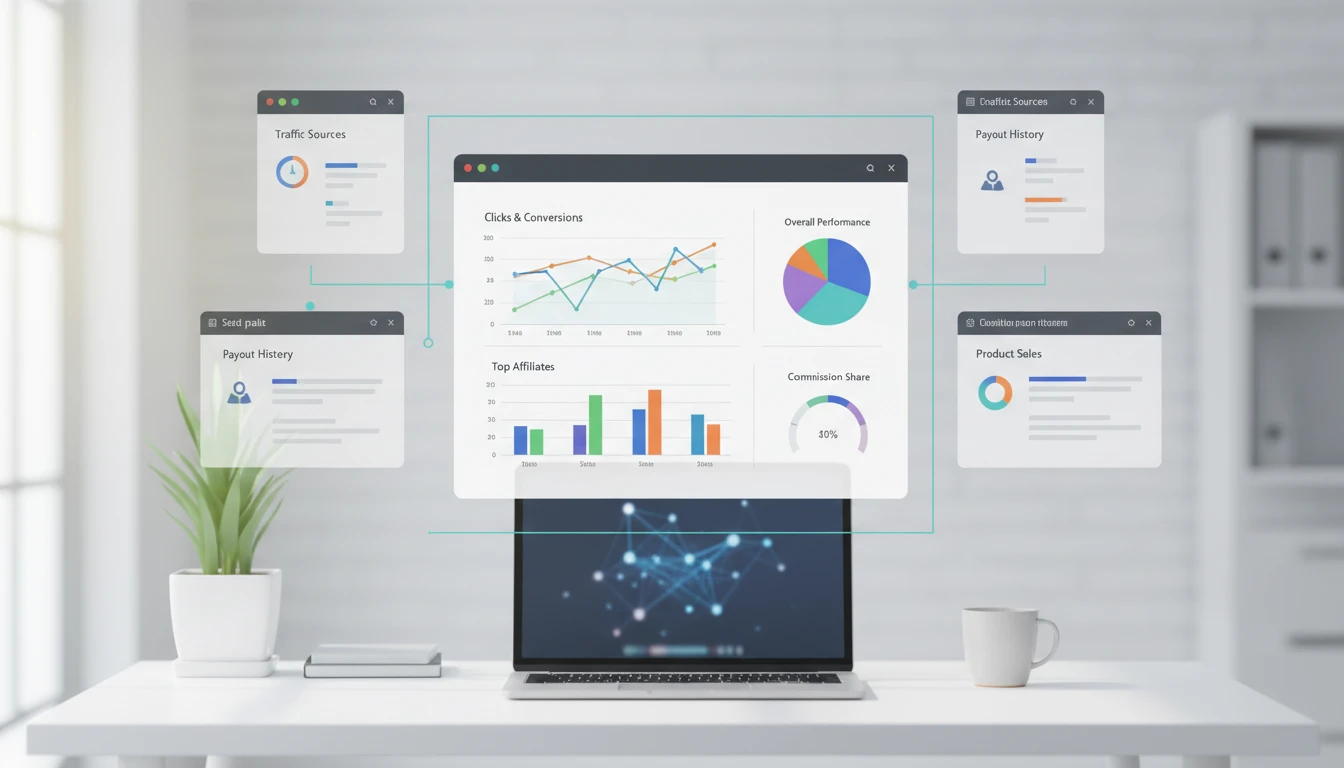
- Dashboard Access: Affiliates and program owners can log in to check clicks, conversions, commissions, and payout status—usually through a simple online dashboard.
- Payout Management: Even the free plans often have basic tools to help you track payments or export commission data for your records.
- Fraud Prevention: Checks that flag suspicious activity, like duplicate conversions, fake leads, or unusual traffic spikes.
Some free platforms also throw in basic email notifications or simple integration options, usually through copypaste code. The goal here is to keep things straightforward and not overwhelm anyone who’s just getting started.
Popular Free Affiliate Tracking Software Options
Over the years, I’ve tested several free affiliate tracking tools. These solutions stay popular with both new marketers and small businesses because they genuinely solve tracking problems without a price tag.
- Post Affiliate Pro (Free Starter Plan): Offers a basic free tier that’s great for testing affiliate concepts or running a very small program. You get click and conversion tracking, basic reporting, and a simple affiliate dashboard.
- Tapfiliate (Free Trial and Limited Free Usage): Gives you tracking and simple integrations for a set period, then a limited use option after. Works for trial campaigns or quick short term projects.
- LeadDyno (Entry-Level Free Trial): Not a permanent free plan, but its trial teaches you what full tracking looks like. Good for testing workflows before you commit.
- AffiliateWP (Open Source with Self-Hosting): Free basic tracking when selfhosted on your WordPress site. Needs some setup, but ideal if you want more control and don’t want to be tied to a subscription.
- GoAffPro (Free Starter Plan): Provides a robust starter package for small businesses, including realtime tracking, affiliate dashboard access, and payout tools.
I’ve found that many platforms offer a free tier to help you get started, but as your program or traffic grows, some features will only unlock with paid plans. Planning for this helps avoid surprises if you scale up later on.
How to Get Started with Free Affiliate Tracking Software
Starting an affiliate program is pretty simple with these tools. Here’s how I did it when I was new to running affiliate partnerships:
- Pick Your Platform: Check which software fits with your website (for example, WordPress, Shopify, or a standalone dashboard). Make sure it supports your preferred type of tracking, like cookies, IP, or server to server.
- Install the Script: Most tools give you a tracking code that you paste into your website or landing page. This is what tracks affiliate clicks and conversions.
- Create Affiliate Accounts: Set up your partners with their own logins so they can pull their links and check their stats whenever they want.
- Test Tracking: Before sending out invites, do a test signup or sale to see if everything tracks and reports correctly.
- Invite Your Affiliates: Share the signup page or dashboard link with your first partners, and give them easy instructions on how to get their links and monitor results.
This setup works well for digital products, SaaS tools, online courses, and even simple ecommerce stores. If your business grows, upgrading to a paid plan is easy since most platforms keep the setup and accounts in place.
Things to Think About Before Choosing Free Affiliate Tracking Software
Free tools have a lot to offer, but there are a few points you’ll want to consider up front. From my experience, these are the main things that matter:
- Feature Limits: Free plans often cap the number of affiliates, tracked events, or integrations. If you expect to grow quickly, check what happens when you hit those limits.
- Data Ownership and Exporting: Make sure the platform lets you download or export your affiliate data so you don’t get locked in if you move to another tool later.
- Support Availability: Free accounts can come with slower email support or just knowledge base access. If you know you’ll need more help, check for active forums or communities.
- Integration Options: Some tools only connect with popular website builders or ecommerce platforms. If you have a custom setup, test integration first.
- Tracking Accuracy: Free platforms might use older tracking methods, like cookies, that perform differently in private browsing or on mobile. Server to server tracking is more reliable but less common in free tiers.
Feature Limits
When I ran a side project with a handful of affiliates, staying under the free plan’s limits was simple. But as soon as referrals started picking up, I ran into restrictions on the number of partners or monthly tracked actions. If your affiliates are active or you hope to grow, map out what you may need in six months and see if an upgrade is worth budgeting for.
Data Ownership
Having access to your affiliate program data is really important. I always check if I can export stats, partner records, and payment history. Some free software only lets you see these in the dashboard but won’t let you download the data unless you upgrade. If switching tools down the line is possible, this saves you a lot of hassle.
Support
Email support is fine for most basic questions. For more technical issues, I look for software with strong documentation or an active user forum. This is especially helpful when you run into unique tracking issues or questions about how payouts work.
Tips for Maximizing Results With Free Tracking Tools
Using free tracking software doesn’t mean settling for less. Here are a few tips that I’ve found helpful for making the most of these platforms:
Keep Affiliates Informed: Send regular email updates with their stats, payment timelines, or tips on promoting your products. Transparency helps your partners stay involved.
Monitor for Fraud: Even simple software has basic fraud filters. Keep an eye on traffic spikes, duplicate leads, or odd locations. This keeps your payouts accurate and your partners legitimate.
Upgrade When Needed: If you outgrow your free plan, upgrading to a paid tier often unlocks automation, better reporting, and more robust support. Plan for this once you start seeing real results from your program.
Examples of Free Affiliate Tracking in Action
I’ve used free affiliate tracking tools for both hobby websites and small product launches. For instance, a local craft business I helped wanted to partner with a few bloggers, but didn’t want to buy software for a onemonth campaign. A free tracking tool covered the basics: assigning links, tracking the handful of sales, and generating payout reports.
Another example is a digital download creator who built a small WordPress site to promote ebooks. Using a selfhosted plugin, they tracked affiliate sales from their network, paid out commissions with PayPal, and upgraded only when sales consistently exceeded their monthly thresholds.
- Handmade product launch: Used a cloud dashboard to invite five affiliates to promote an online store, tracked every sale, and only upgraded after hitting 50 monthly orders.
- Content creator platform: Ran a basic affiliate system to reward guest writers who brought readers and subscribers, using free links and periodic manual payouts.
- Online course site: Gave course partners their own dashboard access using a free plugin, paying them through direct deposit after verifying monthly reports.
Frequently Asked Questions
Here are some of the most common questions I get from people looking to start with free affiliate tracking software:
Question: Does free affiliate tracking software work for larger programs?
Answer: Free plans are best for small or temporary programs. If you expect hundreds of affiliates or lots of monthly sales, you’ll probably need a paid tier soon.
Question: How secure is free affiliate tracking software?
Answer: Most reputable platforms use encryption and regular updates to keep data protected. Always review security policies before you sign up.
Question: Can I migrate my data if I outgrow the free software?
Answer: Many platforms allow at least some data exports, but it’s smart to check this before you start in case you want to move to another provider later.
The Bottom Line on Free Affiliate Tracking Software
Starting with free affiliate tracking software makes sense if you’re working with a small number of partners or want to test out affiliate marketing. These tools allow you to track referrals, handle payouts, and learn the basics before investing in more complex solutions. Keeping your data exportable, understanding the limits, and building strong relationships with your affiliates are all steps I found helpful. As your business or side project grows, you can always upgrade for more features down the line.